Nature Positive Projects
Discover our portfolio of environmental restoration projects across the Asia-Pacific region and beyond.
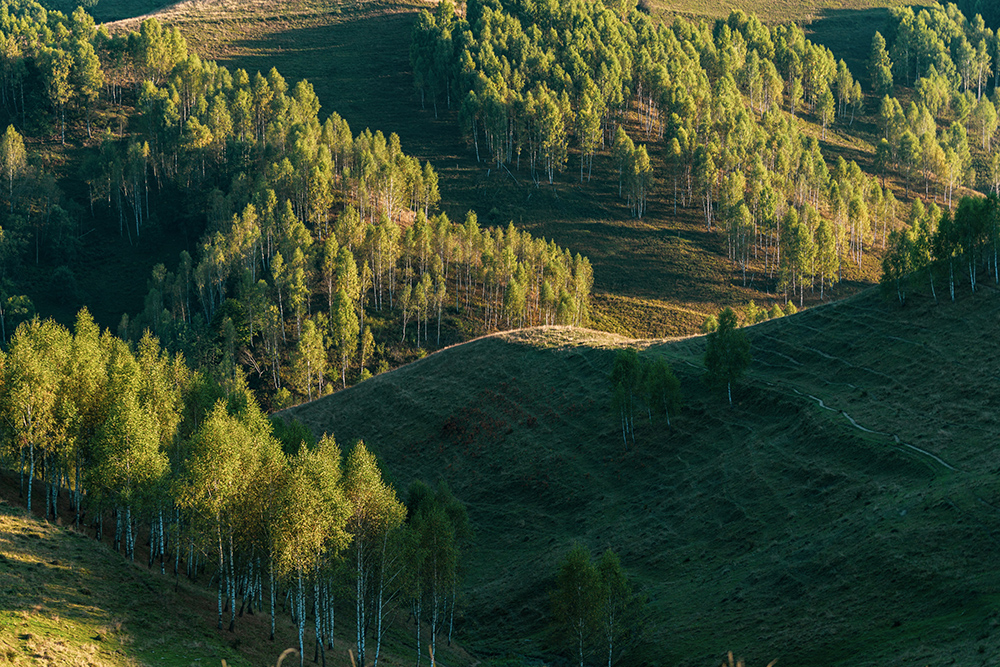
CFC Forestation Program China & Mongolia
This program promotes bio diversity and sustainable forest management in China and Mongolia. By planting multiple tree species, biodiversity is restored. After planting, human intervention is kept to a minimum to preserve the natural environment.
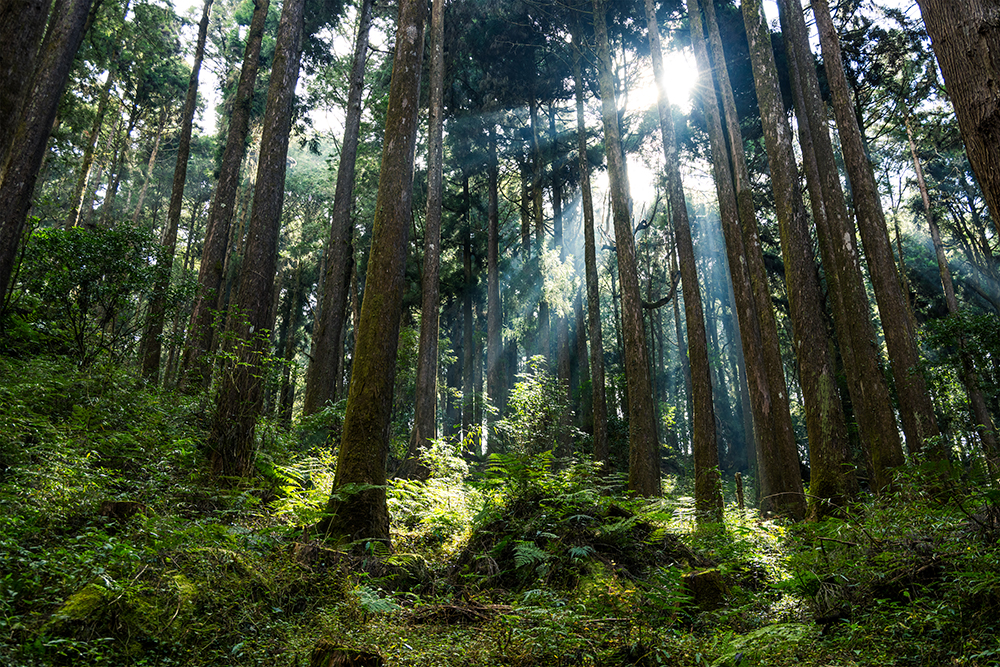
CFC Forestation Program Japan
This program promotes sustainable forest management in six locations across Japan. The forests has been sustainable by preserving the ecosystem and sustainable forests provide a habitat for flora and fauna.

CFC Forestation Program West Timor, Indonesia
This is a sustainable afforestation and agroforestry project in West Timor, Indonesia, aimed at improving local livelihoods and conserving the environment.
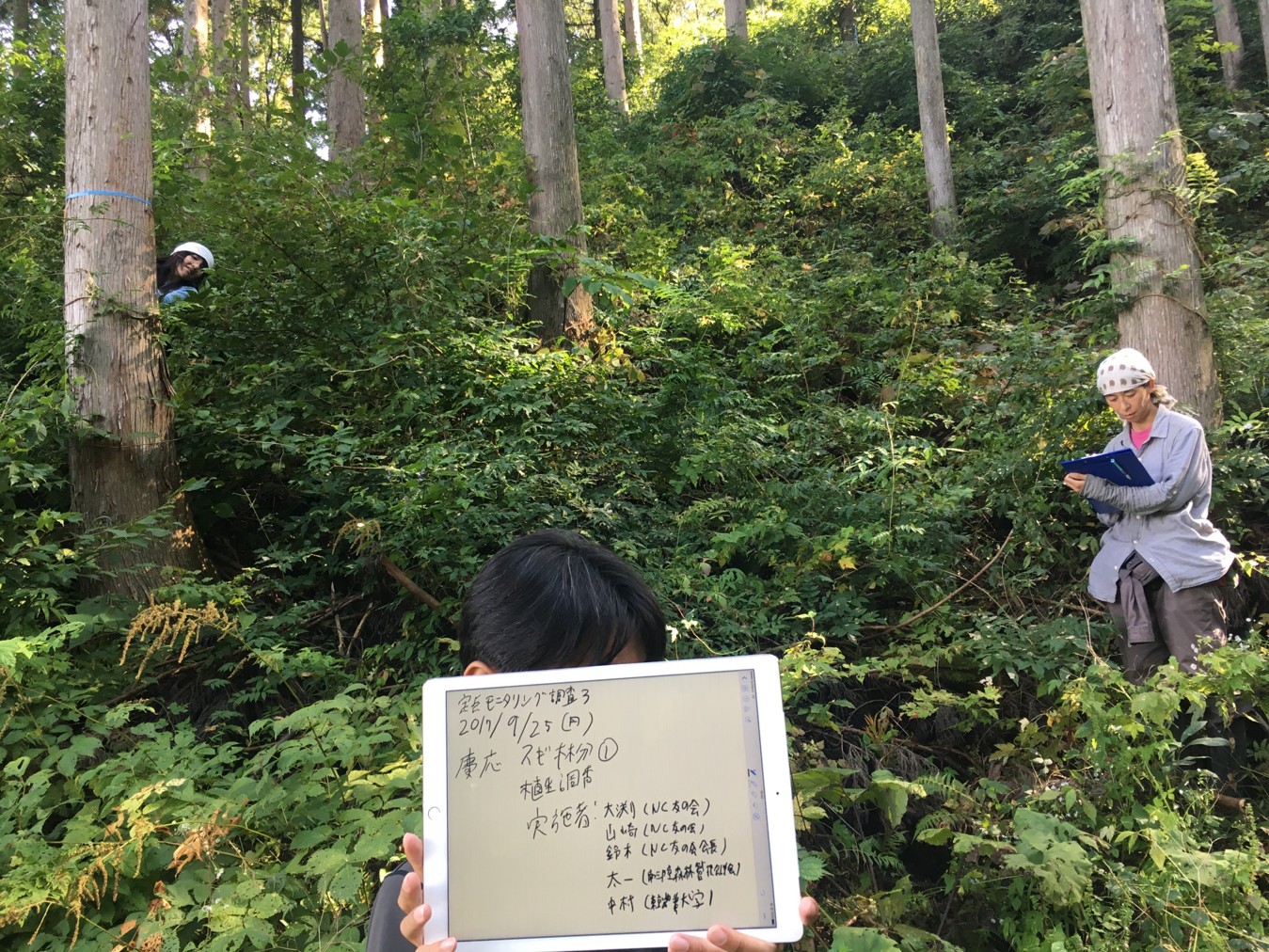
Minamisanriku Nature Positive Project
This project promotes sustainable biodiversity forest management and wildlife conservation in Minamisanriku, Miyagi.
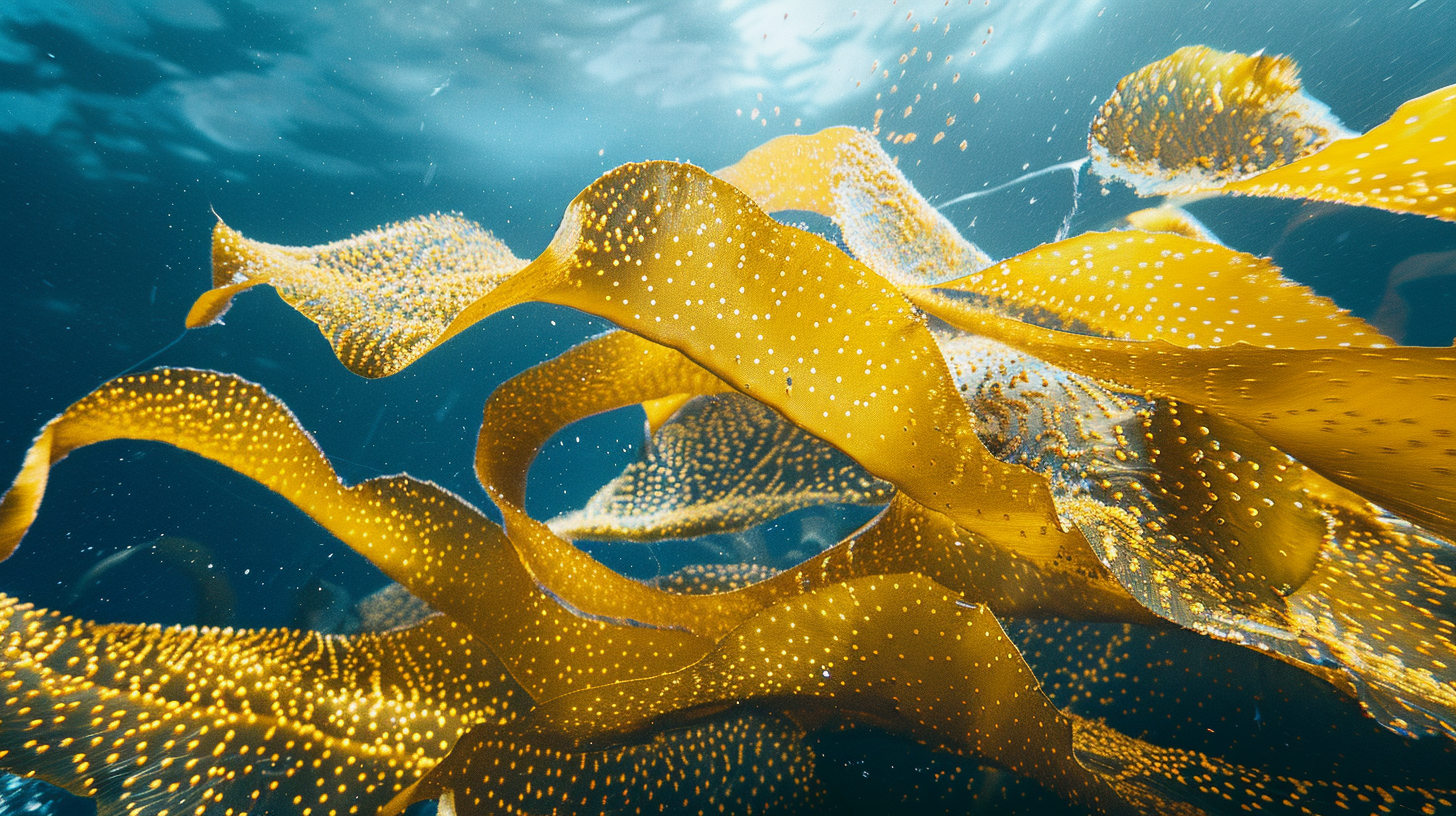
Seaweed Farming Australia
Kepa Kurl provides a unique opportunity for Canopy Blue to grow Golden Kelp and is the site of our first pilot deployment.
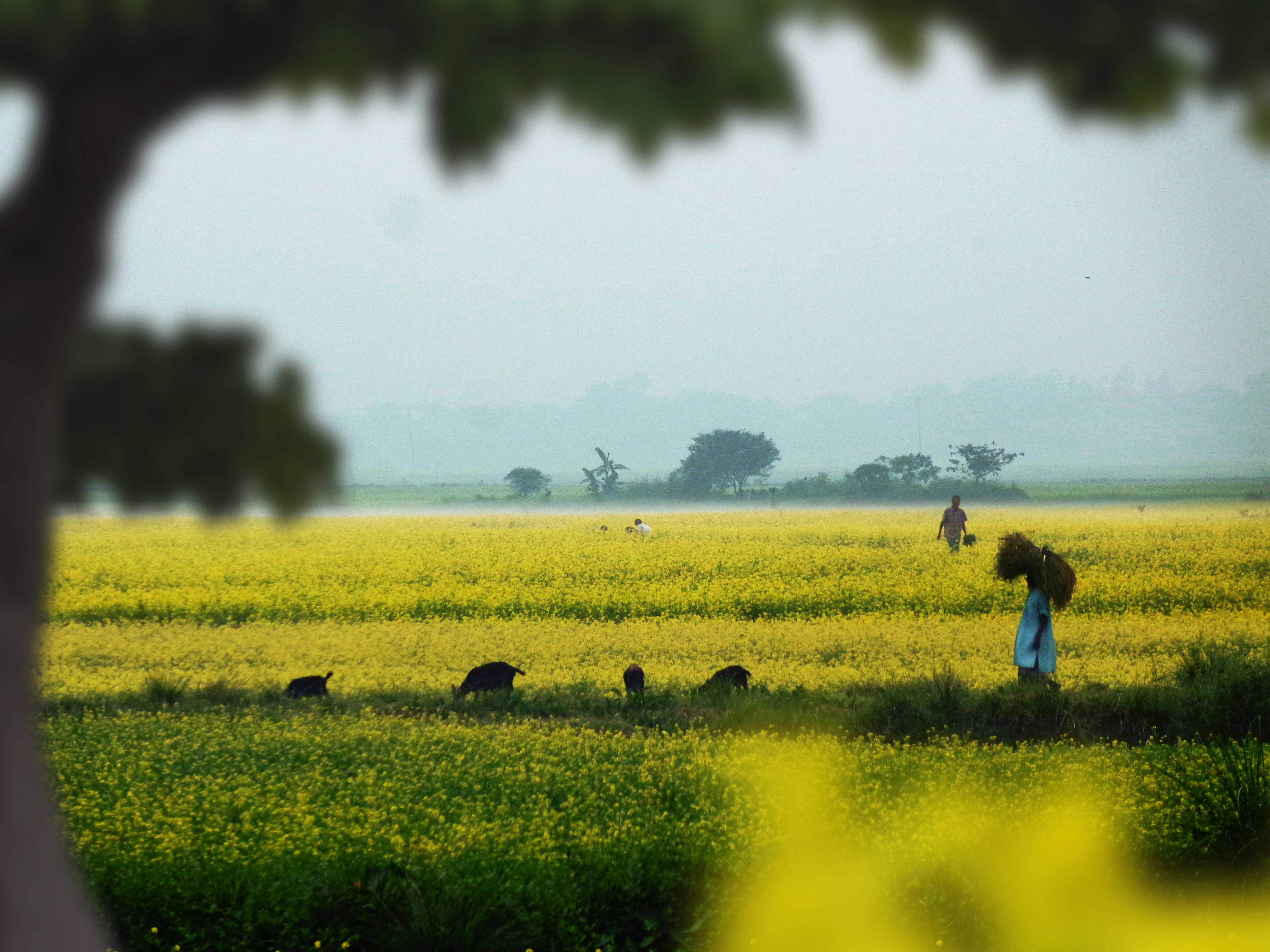
Agroforestry Project Bangladesh
This project involves smallholder farmers in Chittagong, Bangladesh, who practice agroforestry by integrating timber species such as teak and mahogany with fruit trees like mango and guava. The project is expected to deliver multiple benefits, including greenhouse gas removals, improvements to the local natural environment, increased income opportunities for farmers, and enhanced capacity building. Community-based agroforestry is widely recognized as a promising solution to interconnected challenges such as poverty, land degradation, food security and climate change.
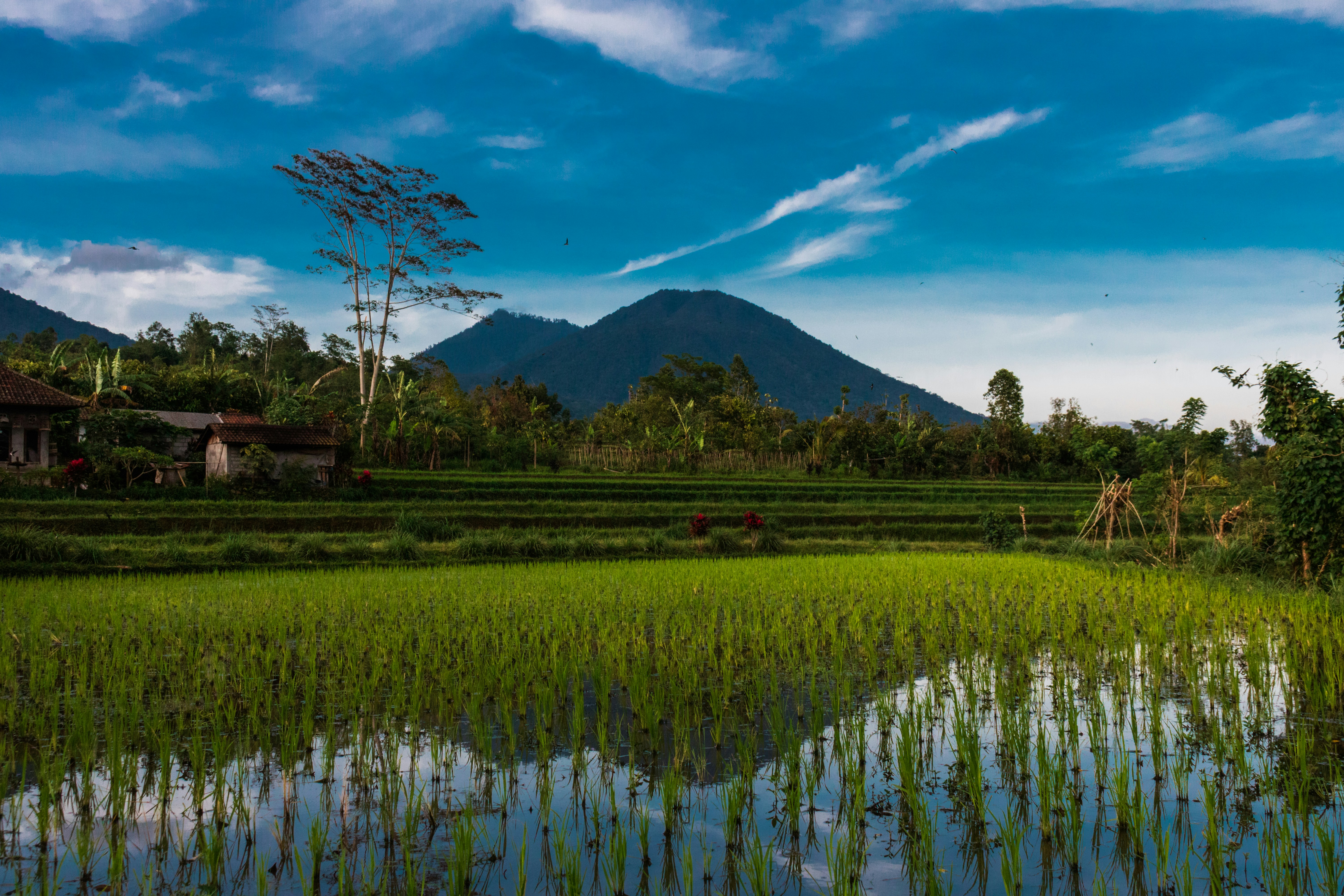
AWD Project Indonesia
This project, in collaboration with smallholder farmers, practices the Alternate Wetting and Drying (AWD) method in 30,000 to 78,000 hectares of rice paddies in Karawang Regency, Indonesia, to reduce methane emissions from rice cultivation. Karawang faces ongoing irrigation water shortages, which are further exacerbated by drought conditions. By reducing water use in paddy fields, the project contributes to both water conservation and climate change mitigation.