Agroforestry Project Bangladesh
About This Project
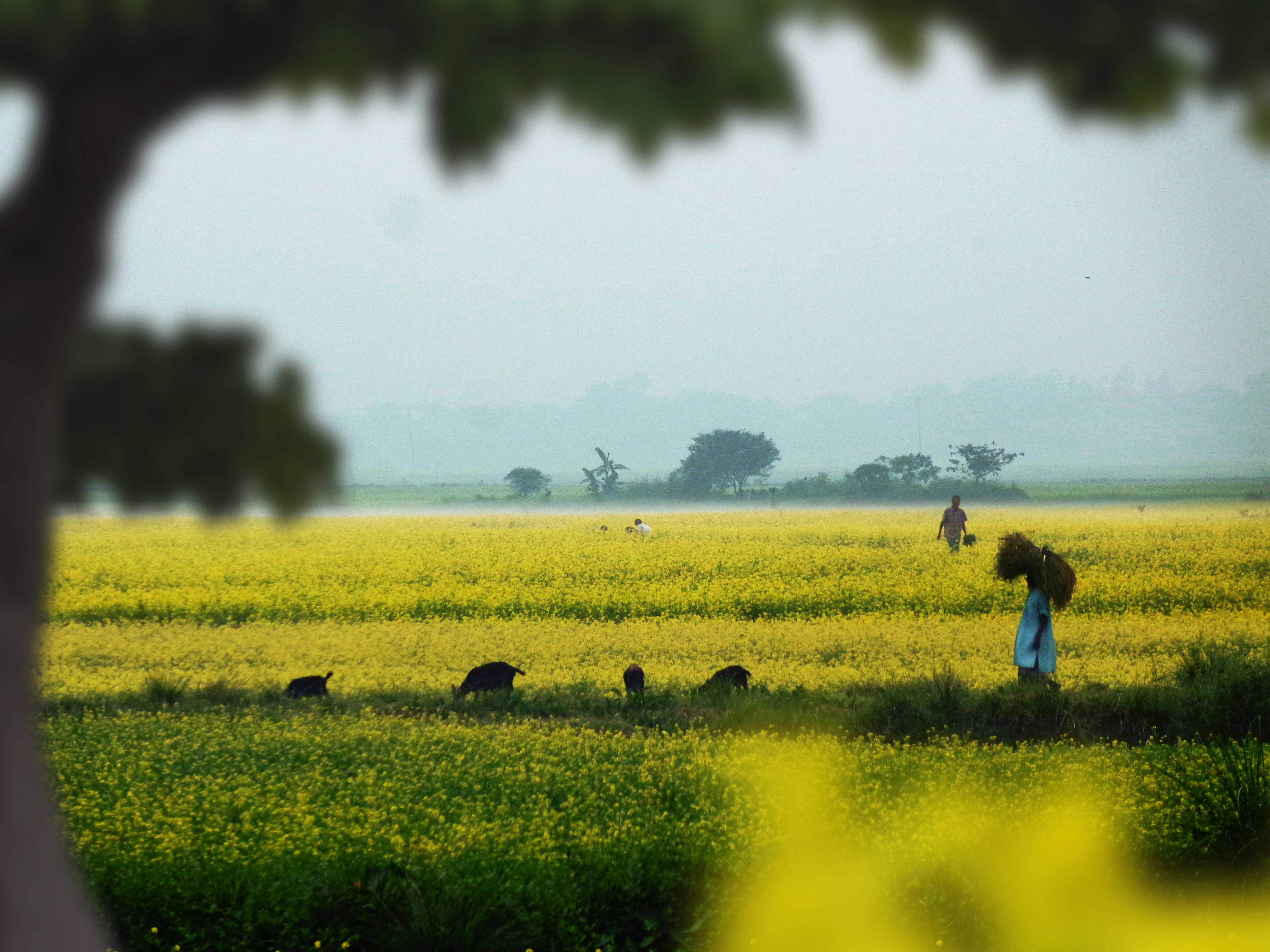
This project involves smallholder farmers in Chittagong, Bangladesh, who practice agroforestry by integrating timber species such as teak and mahogany with fruit trees like mango and guava. The project is expected to deliver multiple benefits, including greenhouse gas removals, improvements to the local natural environment, increased income opportunities for farmers, and enhanced capacity building. Community-based agroforestry is widely recognized as a promising solution to interconnected challenges such as poverty, land degradation, food security and climate change.
Conservation of Ecosystem Services and Environmental Assets
By cultivating diverse vegetation, the project restores and conserves ecosystem services and environmental assets through enhanced biodiversity, improved soil fertility, increased water retention capacity, and carbon sequestration.
Strengthening Socioeconomic Stability
Diversified income streams from timber, fruit trees, and non-timber forest products, together with tree-based cropping systems, help ensure long-term economic stability for farmers.
Women's Empowerment
The project promotes women's empowerment by strengthening agricultural management skills and enhancing resilience and adaptive capacity to climate change.
UN Sustainable Development Goals
Activities
Environmentally Sustainable Farming
Agroforestry practices will be implemented to leverage inherent natural ecosystem functions, employing environmentally sustainable approaches, such as no-till cultivation and the avoidance of chemical fertilizers, while ensuring that agricultural productivity is not adversely affected.
Education and Awareness Activities
Agroforestry also serves as a platform for environmental education and learning about sustainable agriculture. The project will offer hands-on learning opportunities for local communities and children, contributing to greater awareness and the enrichment of school education, while supporting the development of the local economy.
Interested in this project?
Get in touch to learn more about how you can support or participate in this initiative.
Get in Touch