AWD Project Indonesia
About This Project
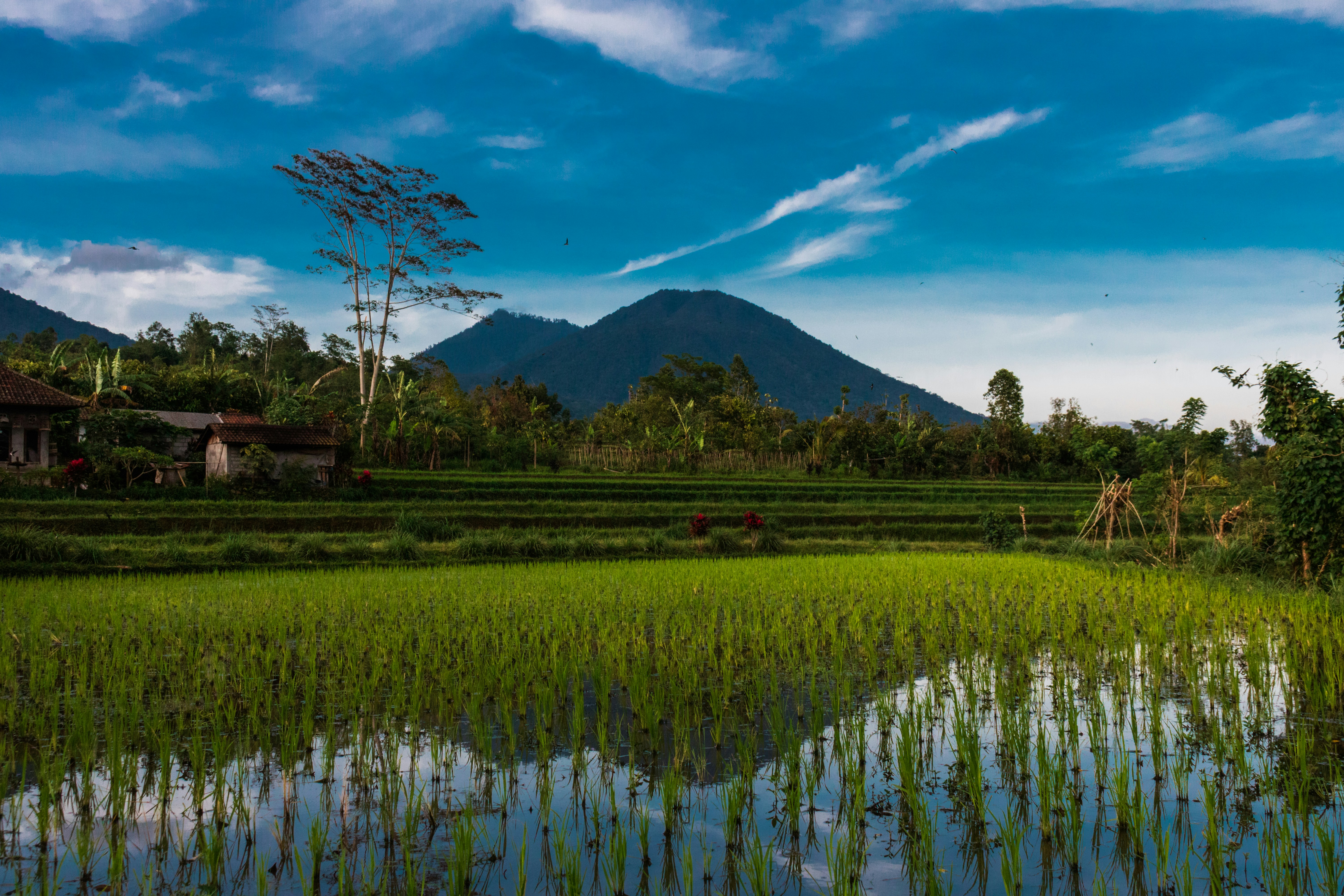
This project, in collaboration with smallholder farmers, practices the Alternate Wetting and Drying (AWD) method in 30,000 to 78,000 hectares of rice paddies in Karawang Regency, Indonesia, to reduce methane emissions from rice cultivation. Karawang faces ongoing irrigation water shortages, which are further exacerbated by drought conditions. By reducing water use in paddy fields, the project contributes to both water conservation and climate change mitigation.
Conservation of Environmental Assets
By reducing water use in paddy fields, the project helps conserve water resources as a vital environmental asset for the local community.
Ensuring Economic Stability
The adoption of Alternate Wetting and Drying (AWD) is expected to increase rice yields while reducing water use, leading to lower irrigation costs and higher incomes for farmers. As more farmers implement AWD, the project also contributes to the revitalization of the local economy. In addition, the intermittent drying of paddy fields suppresses methane emissions, supporting climate change mitigation.
UN Sustainable Development Goals
Activities
Environmentally Sustainable Farming
The Alternate Wetting and Drying (AWD) method is applied to rice cultivation by periodically flooding and drying paddy fields to reduce water use. Field water levels are monitored using installed perforated tubes to confirm drying conditions. Methane emissions are measured by installing monitoring devices in the fields. These activities enable accurate assessment of the project's environmental impacts.
Farmer Training
Training programs are provided to support farmers in adopting the AWD method. By mastering AWD practices, farmers gain the knowledge and experience needed to reduce water use while increasing crop yields.
Interested in this project?
Get in touch to learn more about how you can support or participate in this initiative.
Get in Touch